

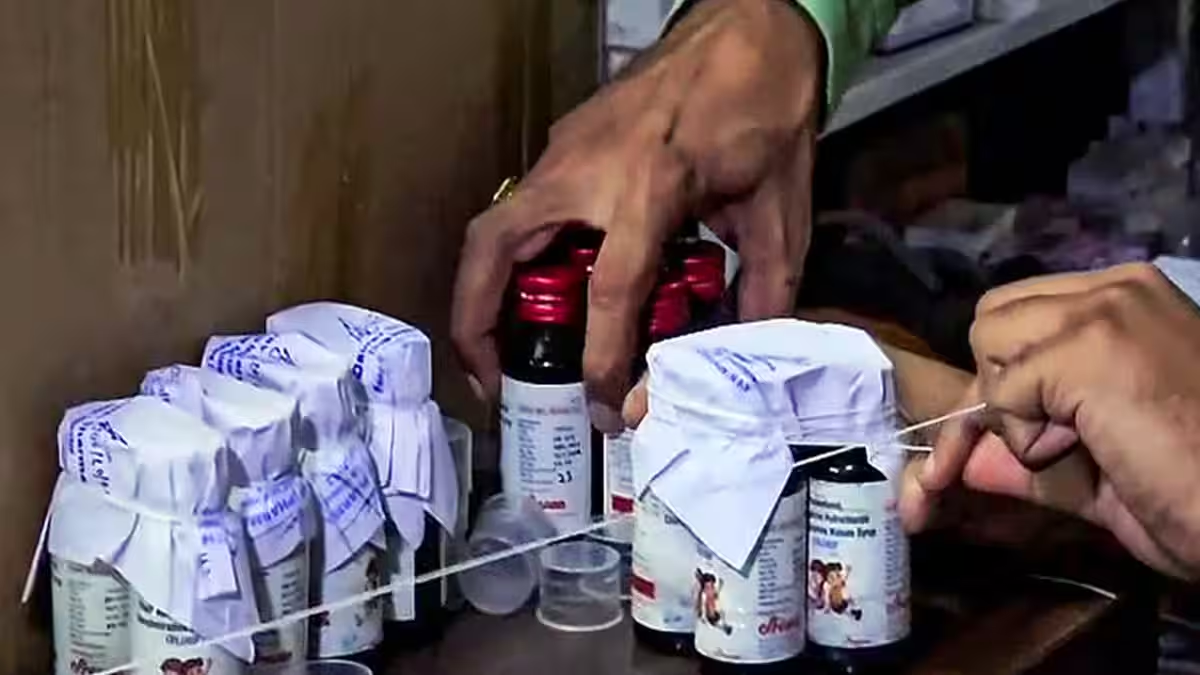
Inside the ‘Killer Syrup’ Factory: 350 Violations, Toxic Chemicals, and Filthy Conditions Behind Coldrif Tragedy
A shocking government inspection report has revealed how a cough syrup linked to the deaths of 16 children across India was manufactured in appalling conditions, with illegal chemicals, rusted machinery, and no quality control in place.
A 26-page Tamil Nadu government report, accessed exclusively by India Today TV, exposed severe lapses at Sresan Pharmaceutical, a Kancheepuram-based firm that produced the now-banned ‘Coldrif’ cough syrup. The syrup has been connected to the deaths of 14 children in Madhya Pradesh and two in Rajasthan.
The inspection, carried out by the Tamil Nadu Drugs Control Department, uncovered over 350 violations, categorised as “critical” and “major.” Officials found that the company operated without qualified staff, lacked basic safety facilities, and failed to meet even minimum standards of drug manufacturing.
Filthy Premises, No Quality Checks
Inspectors found that Coldrif syrup was manufactured in extremely unhygienic conditions — with non-functional air filters, rusted equipment, and poor ventilation. The report said that even the plant layout contributed to contamination risks.
Crucially, the company had no Quality Assurance department, and no authorized personnel to approve or release production batches. There were no standard
operating procedures (SOPs) for product recalls or managing quality failures.
“The firm has not provided any gowning procedure, GMP drains, purified water system, pest control, or cleaning mechanism,” the report stated. Products were found stored in corridors and areas where air handling units (AHUs) were non-functional, leaving them exposed to dust and cross-contamination.
Illegal Use of Non-Pharma Grade Chemicals
One of the most alarming findings was the discovery of illegal procurement and use of toxic chemicals. The firm had purchased 50 kilograms of propylene glycol without any invoices, raising suspicions of unapproved sourcing.
Laboratory tests later detected traces of diethylene glycol (DEG) — a highly toxic industrial solvent used in brake fluids and paints — in the syrup. Even small amounts of DEG can be deadly, and the substance has been linked to several mass poisoning incidents worldwide.
Officials said that plastic pipes were used to transfer liquid formulations, no filtration system was in place, and chemical waste was pumped directly into general drains. “Purified water tanks used in critical manufacturing operations were found in unhygienic condition,” the report added.
Lapses Across All Stages of Production
The inspection revealed widespread negligence throughout the manufacturing process.
-
Raw materials were released without testing or vendor approval.
-
Sampling was done in open environments, increasing contamination risks.
-
No pharmacovigilance system existed to monitor side effects or complaints.
-
Insects and rodents could freely enter production areas — there were no air curtains or fly catchers.
-
Validation of cleaning and testing procedures was never conducted.
The company also employed unqualified and untrained personnel, further compromising safety and product quality.
Government Crackdown and Nationwide Ban
Following the inspection, the Tamil Nadu government banned the sale and distribution of Coldrif cough syrup across the state from October 1, and ordered the immediate recall of all existing stock. Samples collected from the factory were later confirmed to be adulterated, according to officials.
“We have sought an explanation from the manufacturer. Until further orders, production at the facility has been stopped,” a senior Tamil Nadu health official told PTI.
The tragedy prompted a nationwide alert, with states including Madhya Pradesh, Rajasthan, and Tamil Nadu halting the sale and use of Coldrif pending further tests. In Madhya Pradesh, the state government suspended three officials and transferred the state drug controller after preliminary findings linked the deaths to the contaminated syrup.
A Preventable Tragedy
Health experts say the deaths could have been prevented if the manufacturer had followed even the most basic standards of Good Manufacturing Practices (GMP). The Tamil Nadu report highlights a broader issue of weak pharmaceutical regulation and poor factory oversight, which continue to endanger public health.
As investigations continue, Coldrif has become another grim reminder that when safety takes a backseat to profit, lives are lost.


